Sustainable Forestry — Kelantan, Malaysia

Step Into
The Forest

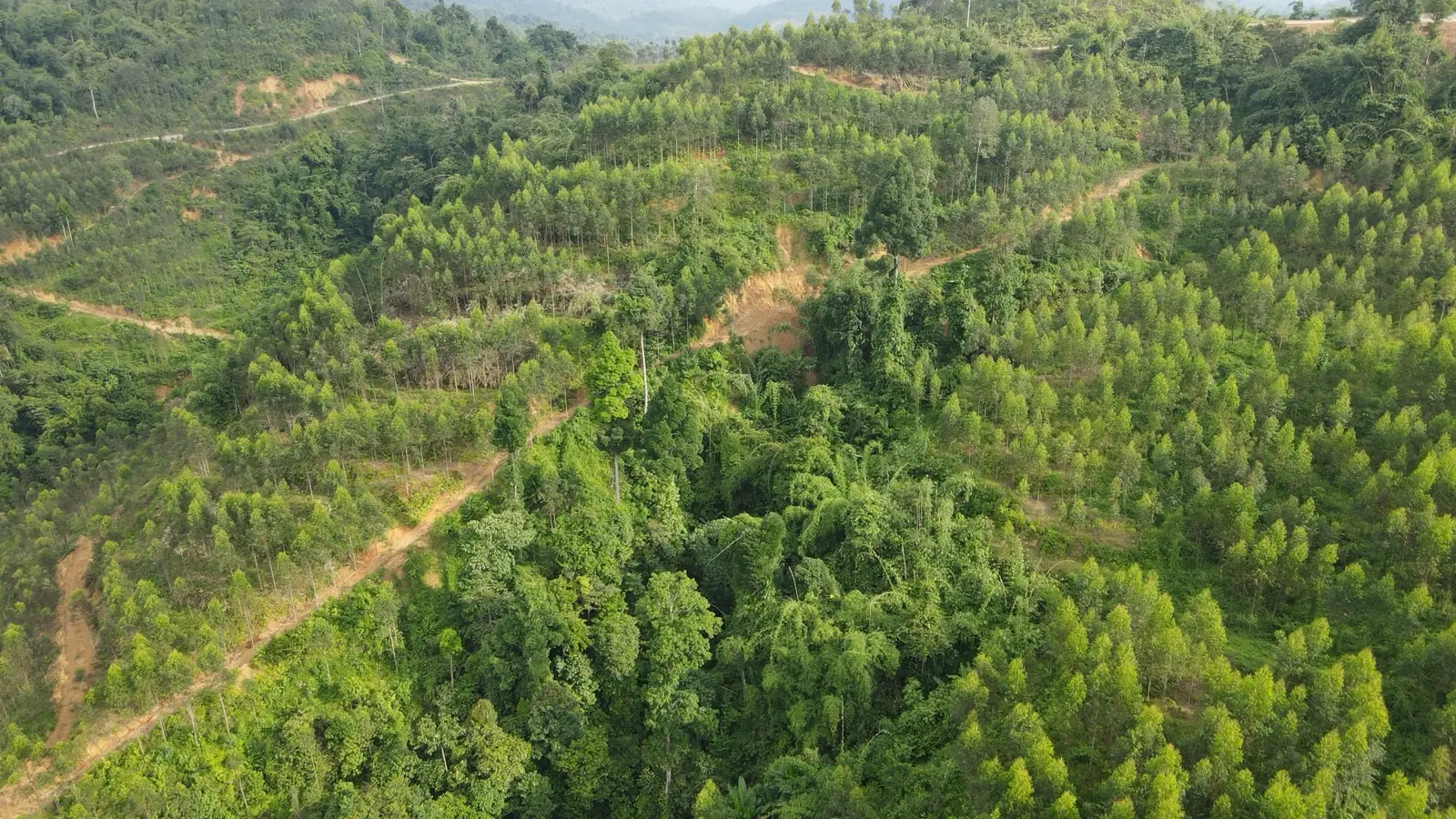
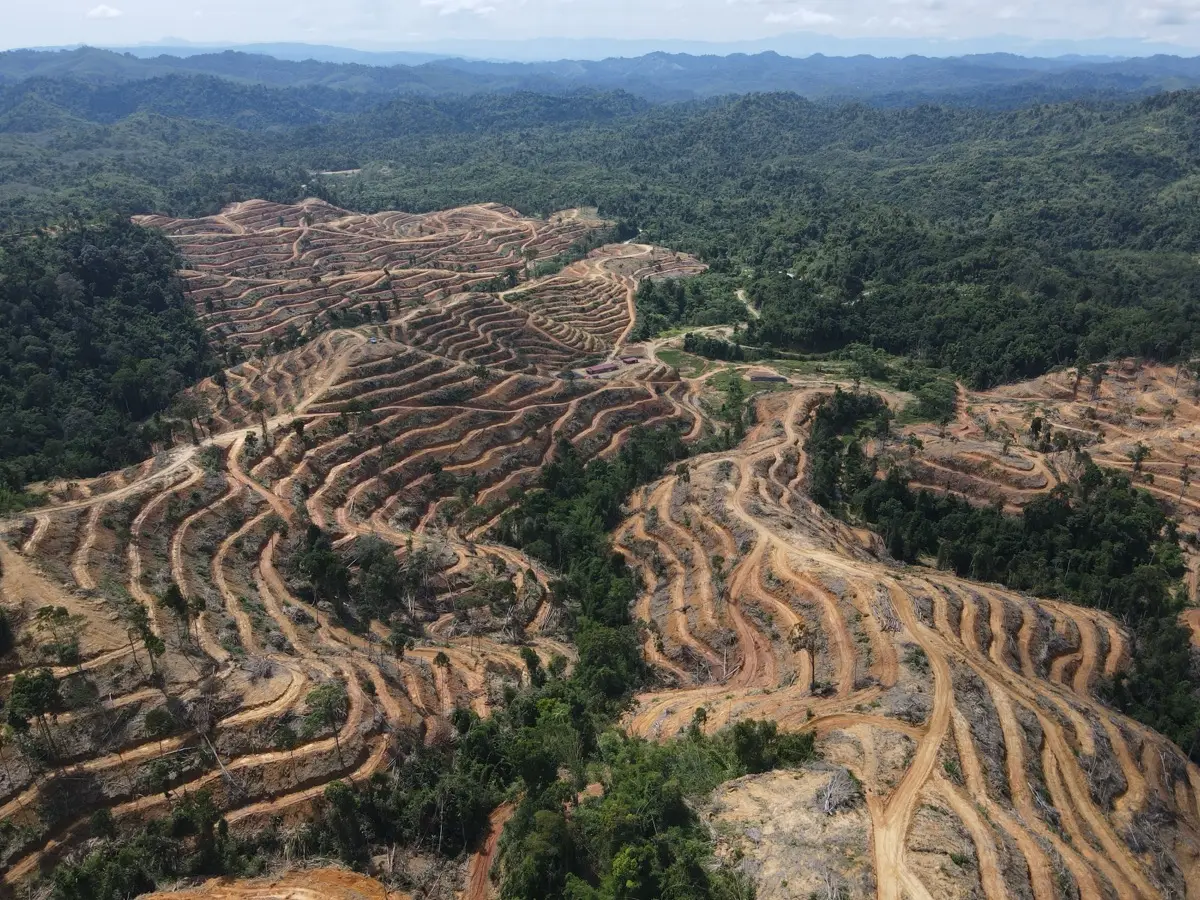
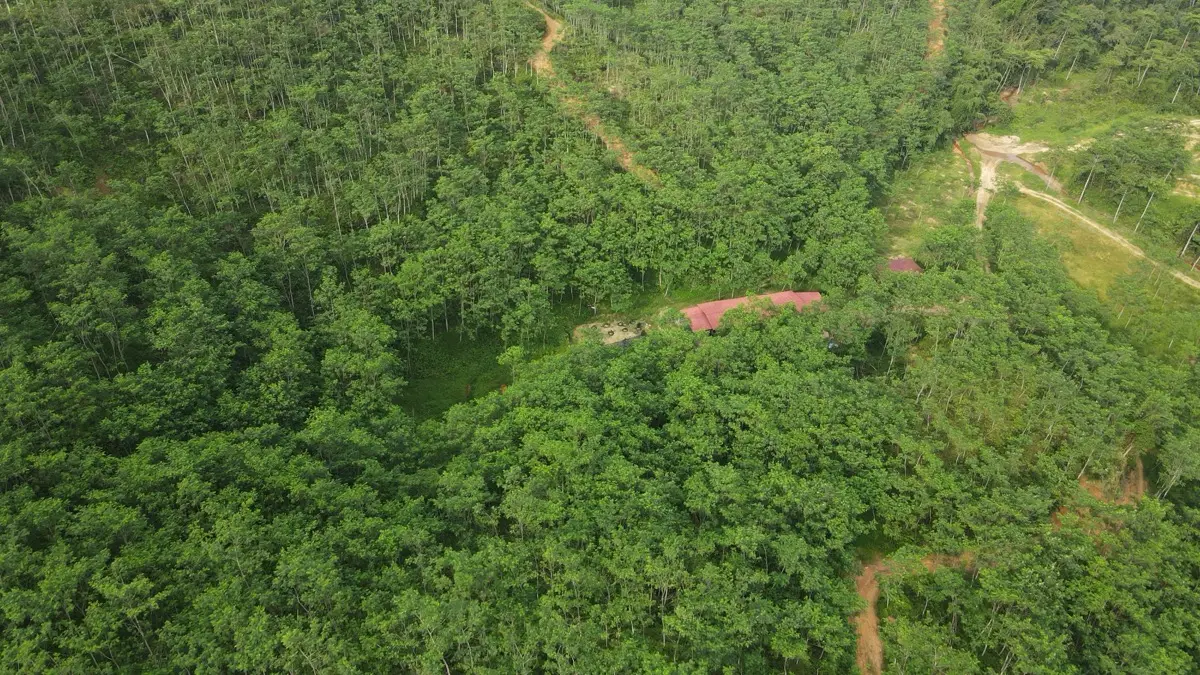
202 hectares of degraded land in Sokor Taku Forest Reserve, being restored through a perpetual harvest-and-replant cycle. 1 million trees over 20 years.

Scroll
Operating Under
0
Hectares Concession
0
Year Land Lease
0
Years Expertise
1M
Tree Goal
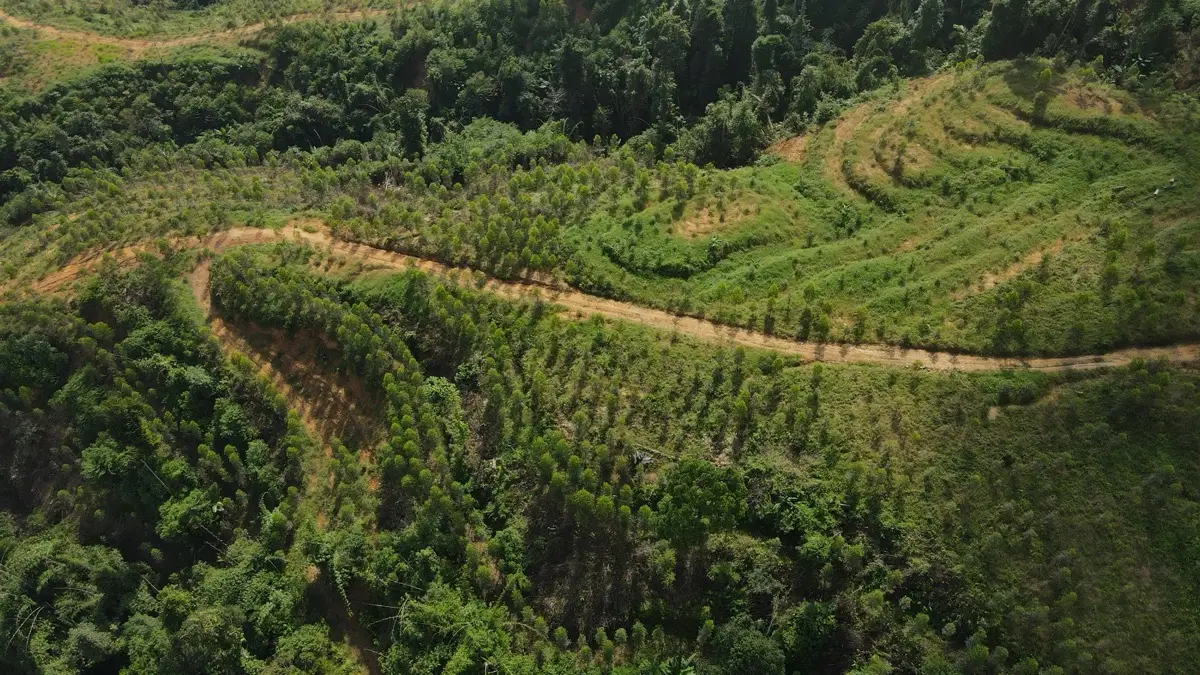
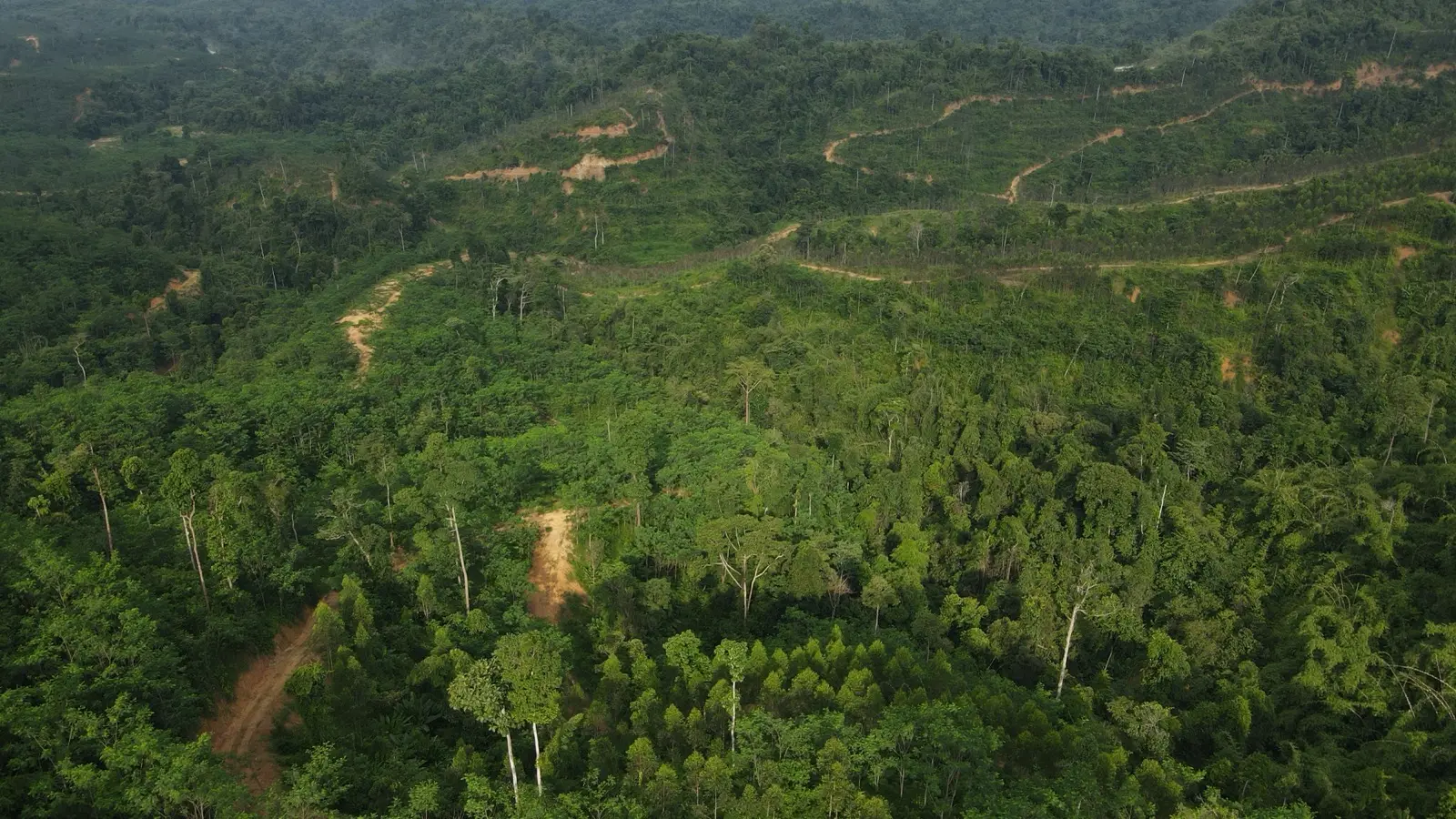
Aerial view of Gembang Hijau's 202-hectare forest plantation in Sokor Taku Forest Reserve, Kelantan
202
Hectares
of Forest

Rebuild Forest
to Rejuvenate
Earth

Gembang Hijau Sdn. Bhd. is a forest plantation development company dedicated to sustainable forestry in Malaysia. Through our subsidiary, Casa Angsana Resources Sdn Bhd, we hold a 50-year concession from the State Government of Kelantan.

"Rebuild Forest to Rejuvenate Earth."

Our flagship initiative — the Rebuild Our Forest For Next Generation Project — aims to plant 1 million trees over 20 years, meeting global demand for sustainable wood while stopping the logging of virgin natural forests.
Why
Gembang Hijau

Four distinct advantages set our forest plantation apart — from unmatched industry experience to a scientifically proven, self-sustaining harvest model.

No.1

Unmatched Expertise

Our plantation management is guided by a founder with 47 years in the timber industry, having managed over 30,000 acres of timber concessions and planted millions of trees across Malaysia.

01
No.2

Eco-Friendly Alternative

By cultivating fast-growing species like Albizia and Eucalyptus on previously logged and degraded land, we provide a sustainable source of timber — directly reducing the need to clear virgin forests.

02
No.3

Improving Soil Health

Our Albizia species are nitrogen-fixing trees. The natural drop of leaves and branches contributes organic matter and minerals to the soil, actively restoring fertility on degraded land over time.

03
No.4

Long-Term Vision

With a 50-year land lease and a meticulous 20-year roadmap to plant 1 million trees, our business is built to endure — providing a continuous, renewable supply of high-value wood to the global market.

04

Fast-Growing Timber
We Cultivate

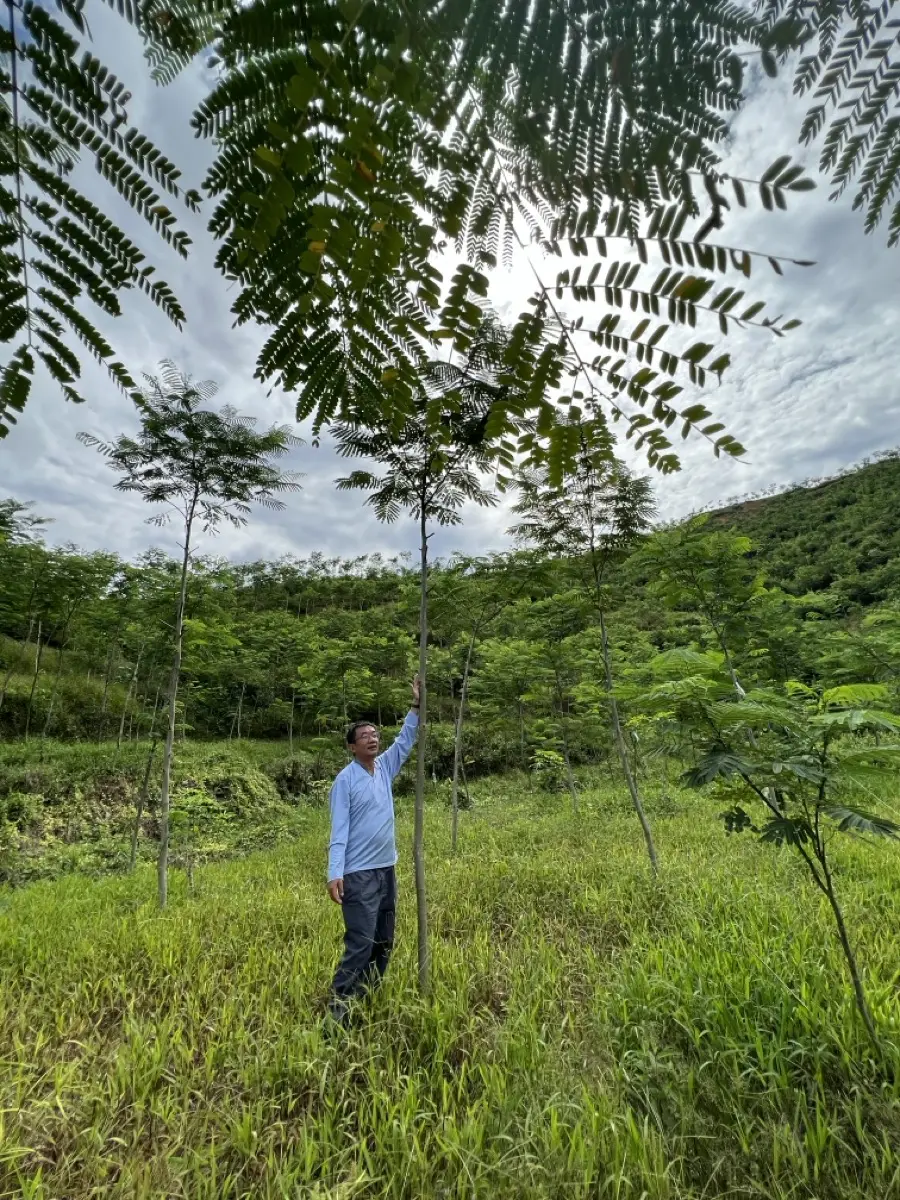
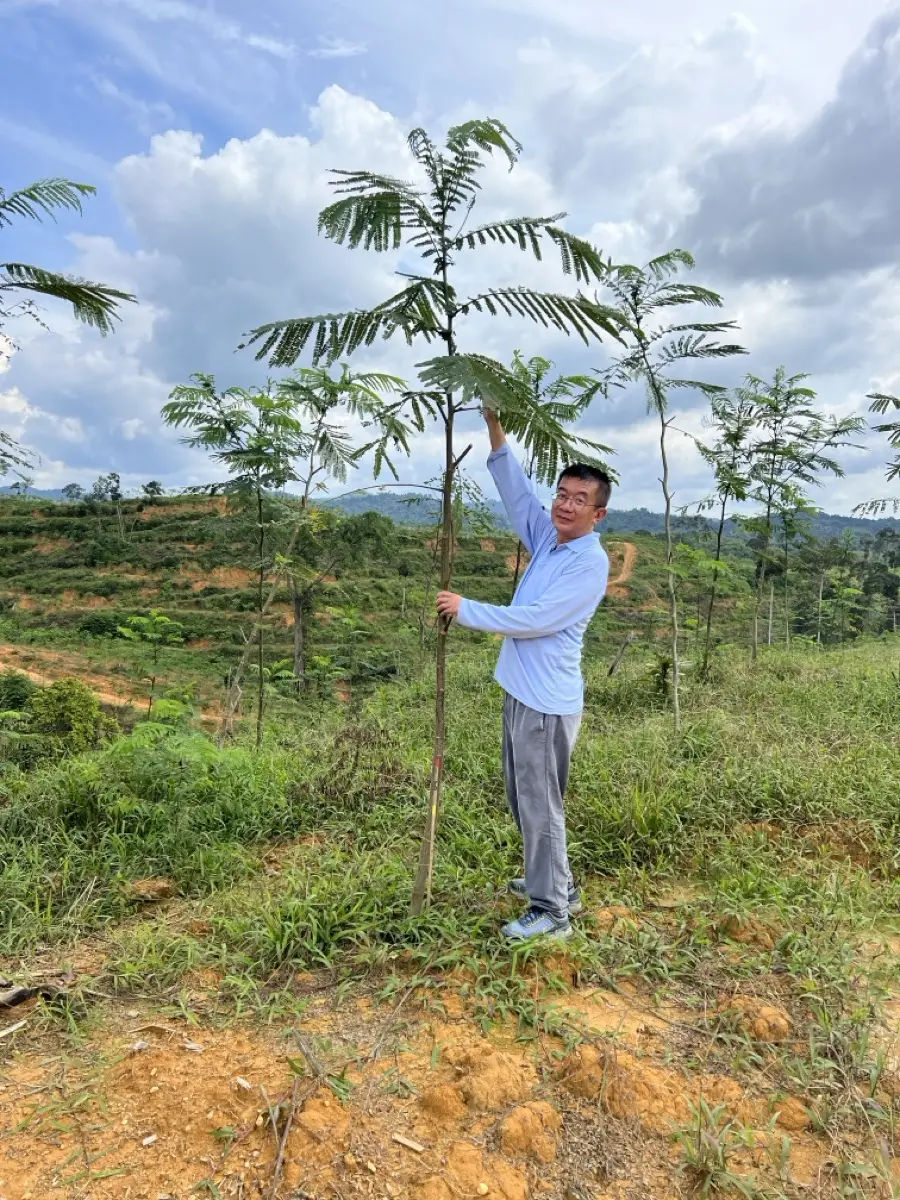
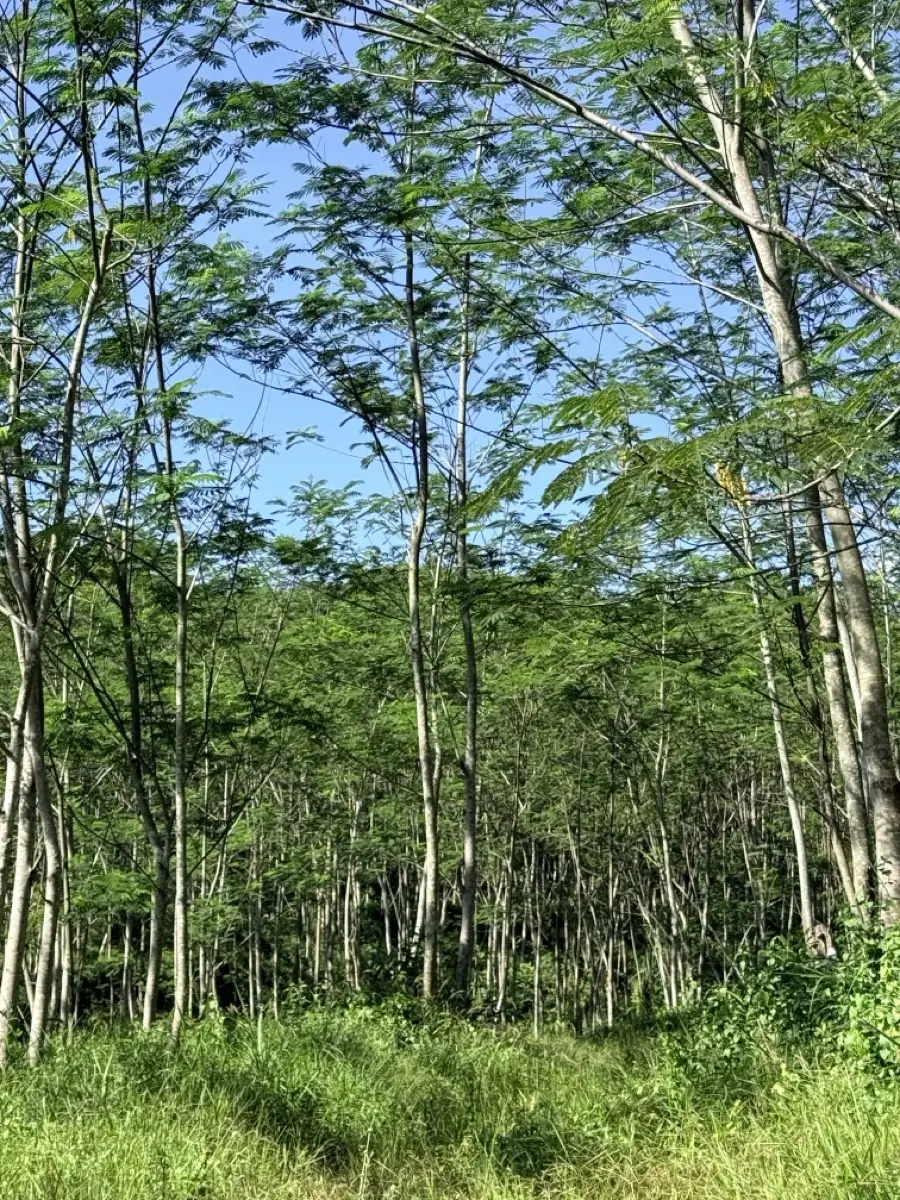
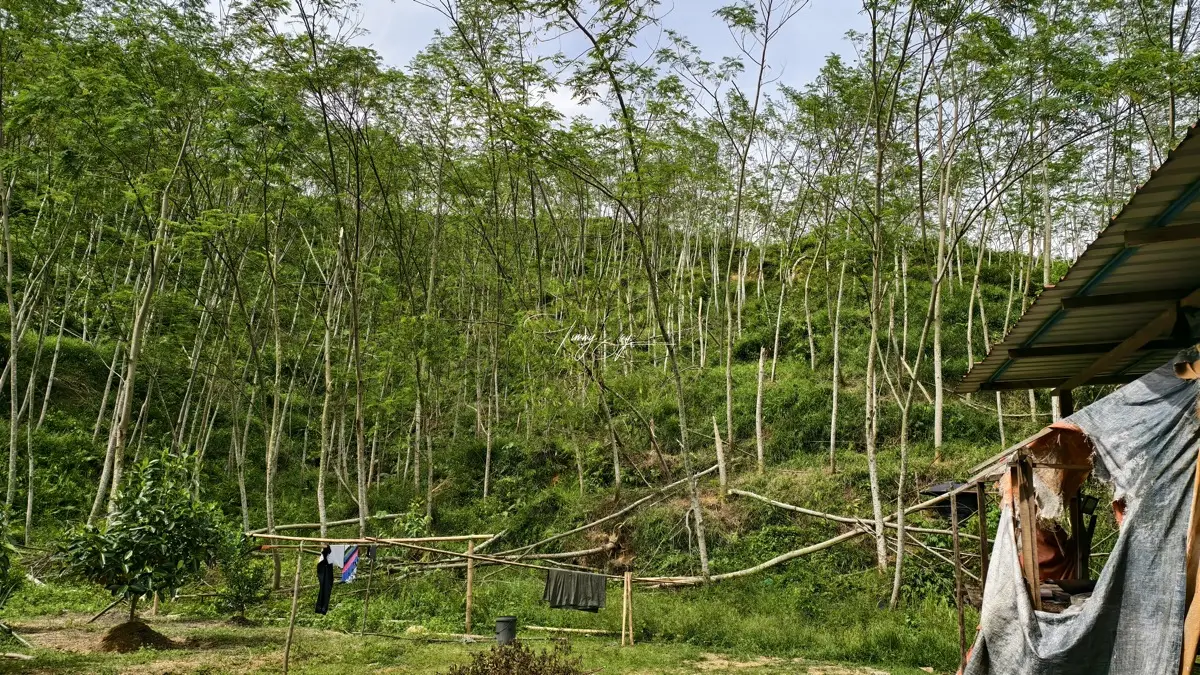
Albizia Batai Laut (Paraserianthes falcataria) trees at Gembang Hijau plantation, Kelantan
Primary Species

Albizia Batai Laut

Paraserianthes falcataria

One of the fastest-growing timber trees in Southeast Asia. A nitrogen-fixing species that restores soil fertility while producing high-quality softwood for plywood and furniture.

Nitrogen-Fixing Fast-Growing Soil Restoration Softwood
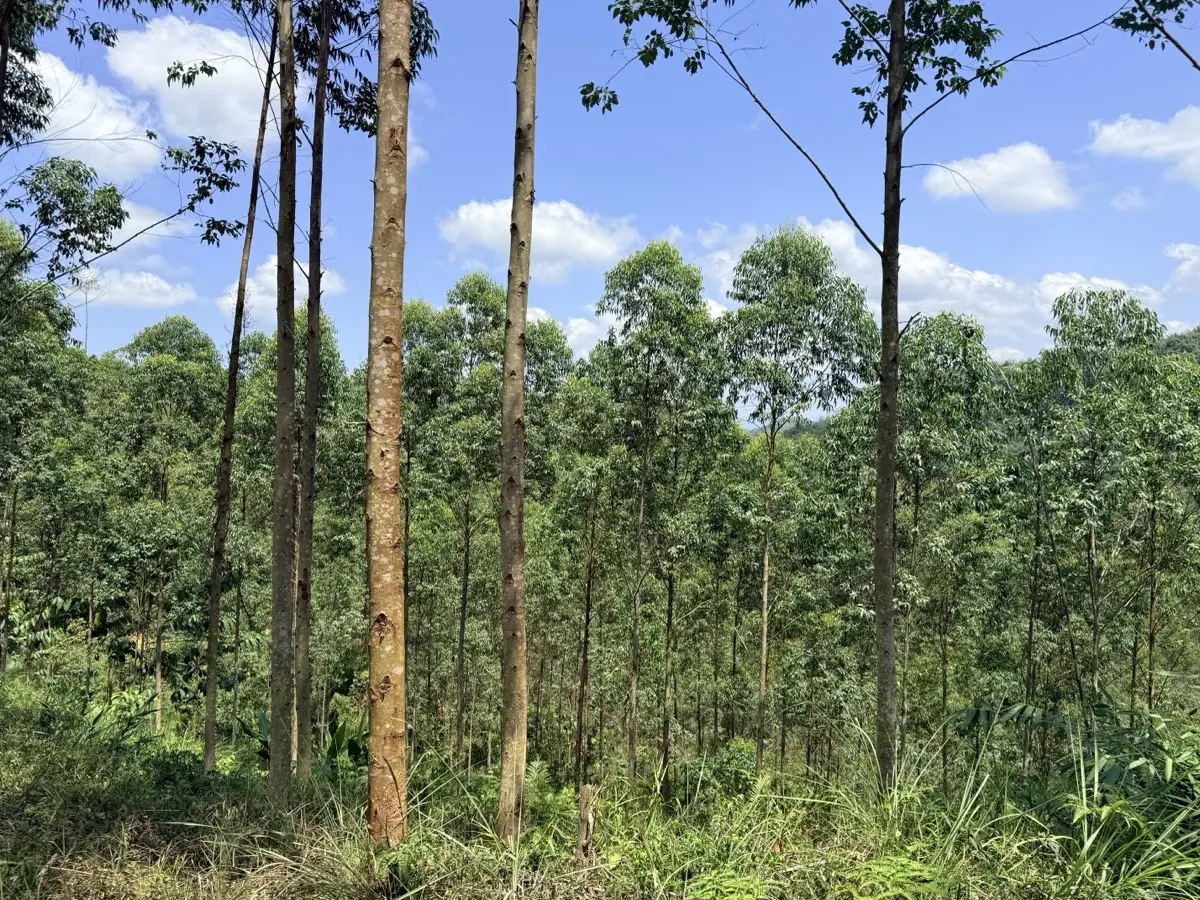
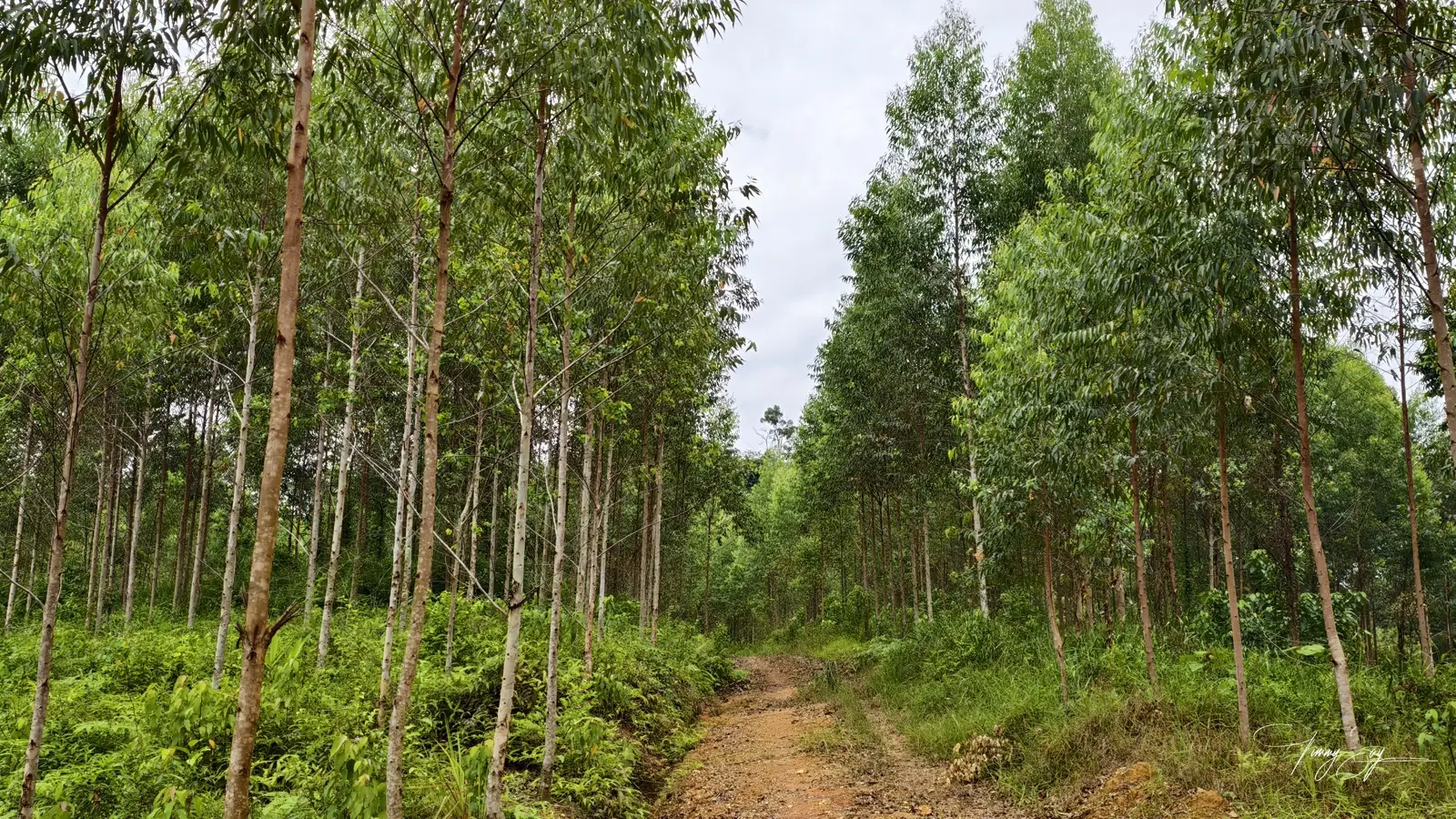
Eucalyptus plantation grown by Gembang Hijau in Kelantan, Malaysia
Secondary Species

Eucalyptus

Eucalyptus spp.

Globally recognised for rapid growth and high yield. Well-suited to Malaysia's tropical climate, providing reliable hardwood for paper pulp, engineered timber, and construction.

High Yield Adaptable Paper Pulp Hardwood
Sokor Taku Forest Reserve ecosystem bordering the Gembang Hijau concession, Tanah Merah, Kelantan
The Ecosystem

Sokor Taku Reserve

Kelantan, Malaysia

Our concession sits within a broader corridor of protected forest. We maintain 10-metre river buffers and operate under full EIA compliance to protect regional biodiversity.

EIA Compliant River Buffers Biodiversity

A Perpetual
Harvest & Replant

50
Year Cycle
01

Land Preparation

EIA-compliant clearing with 10m river buffers

02

Plot Planting

Albizia & Eucalyptus in sequential plots

03

Sustainable Harvest

Selective harvest funds next planting

04

Immediate Replanting

Never bare — always alive, always growing

From the Ground Up
2022 → Today

Real photography from our 202-hectare concession in Kelantan — documenting every stage from bare, degraded land to a living forest.

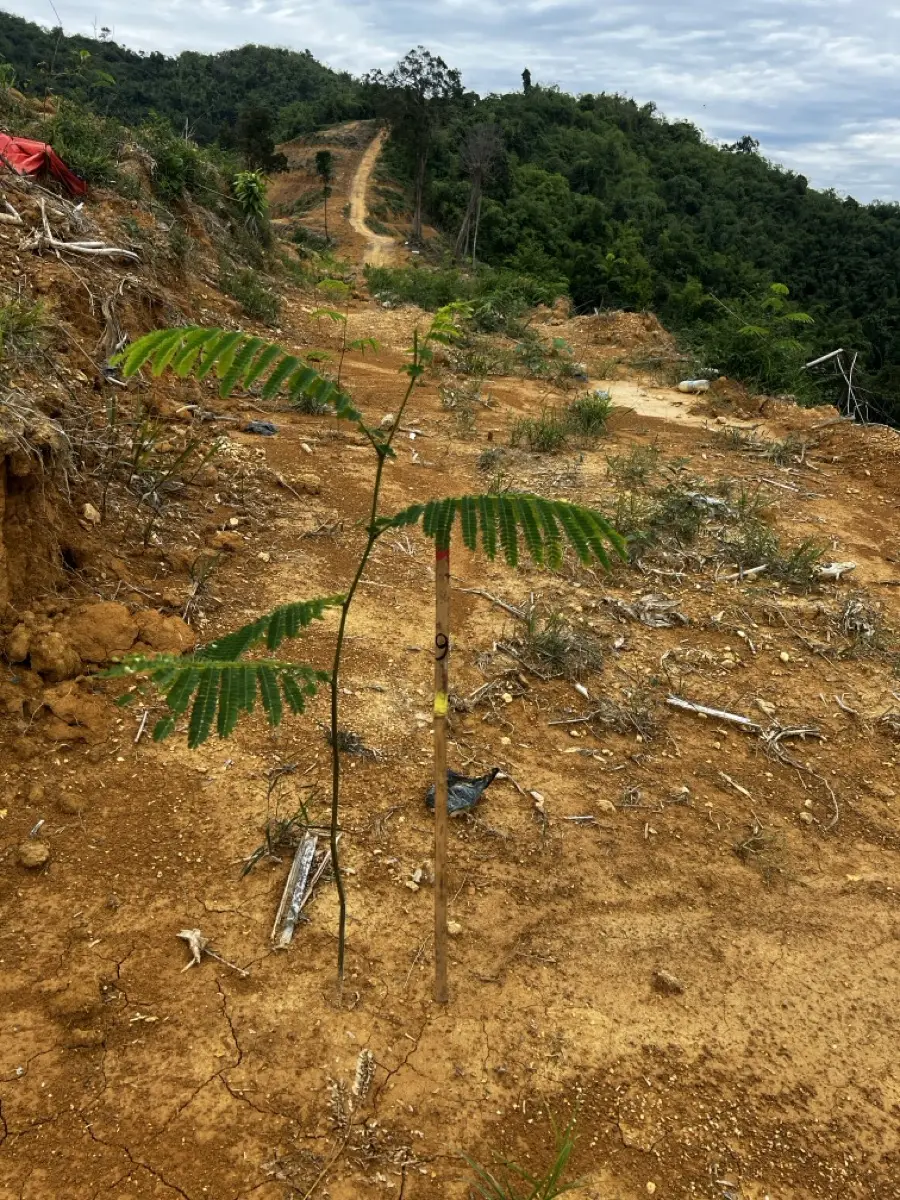
Feb 2022 — Site assessment, bare land
Feb 2022 · Site Assessment

Bare Land, Full Potential

The starting point: open, degraded ground inside Sokor Taku Forest Reserve, ready for a new forest.

Mar 2022 — Terraced hillside under survey before clearing
Mar 2022 · Site Assessment

Surveying Degraded Land

Ground surveys of the concession — previously logged land, assessed and mapped for restoration.

Mar 2022 — Land preparation begins
Mar 2022 · Land Preparation

Preparation Begins

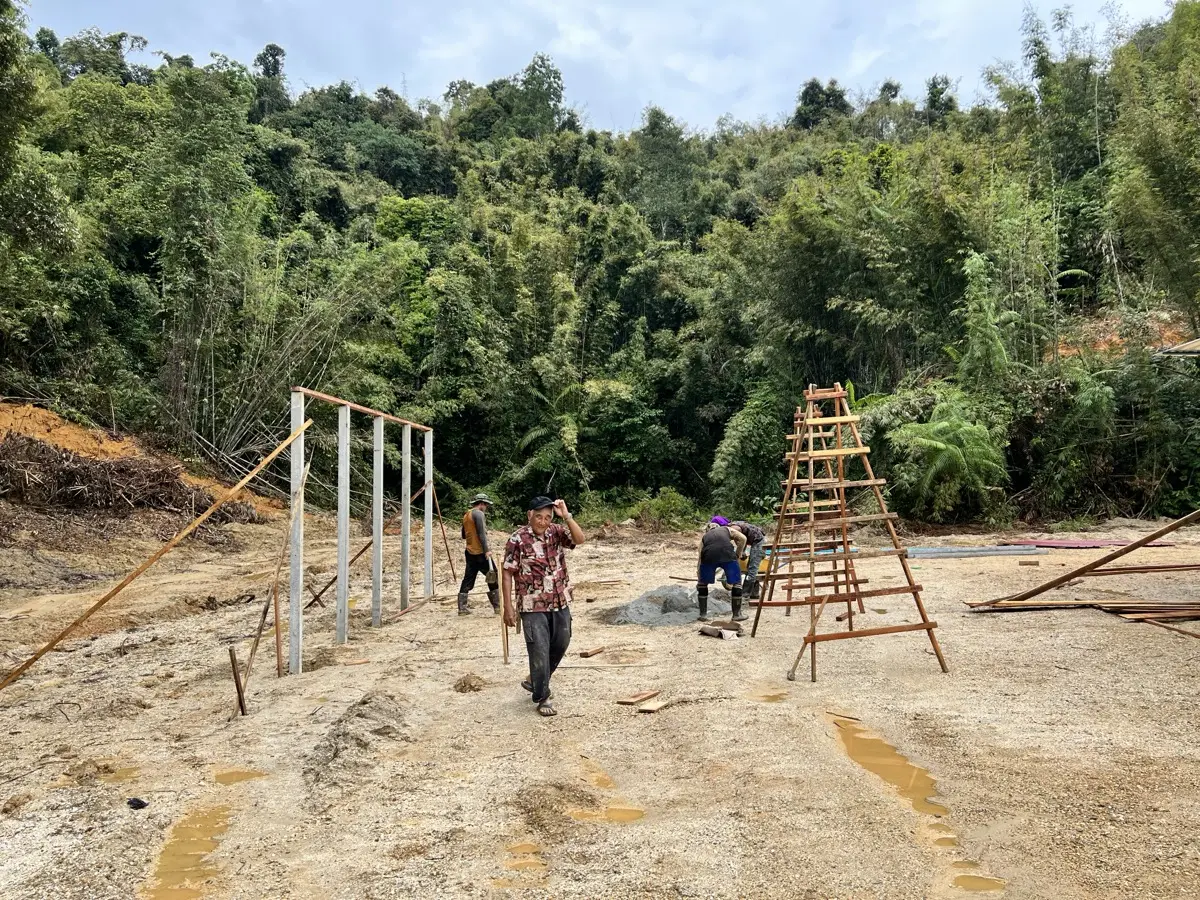
EIA-compliant clearing begins, with 10-metre buffer zones maintained around rivers and waterways.

Jun 2022 — Aerial view of terraced clearing in progress
Mar 2022 · Land Preparation

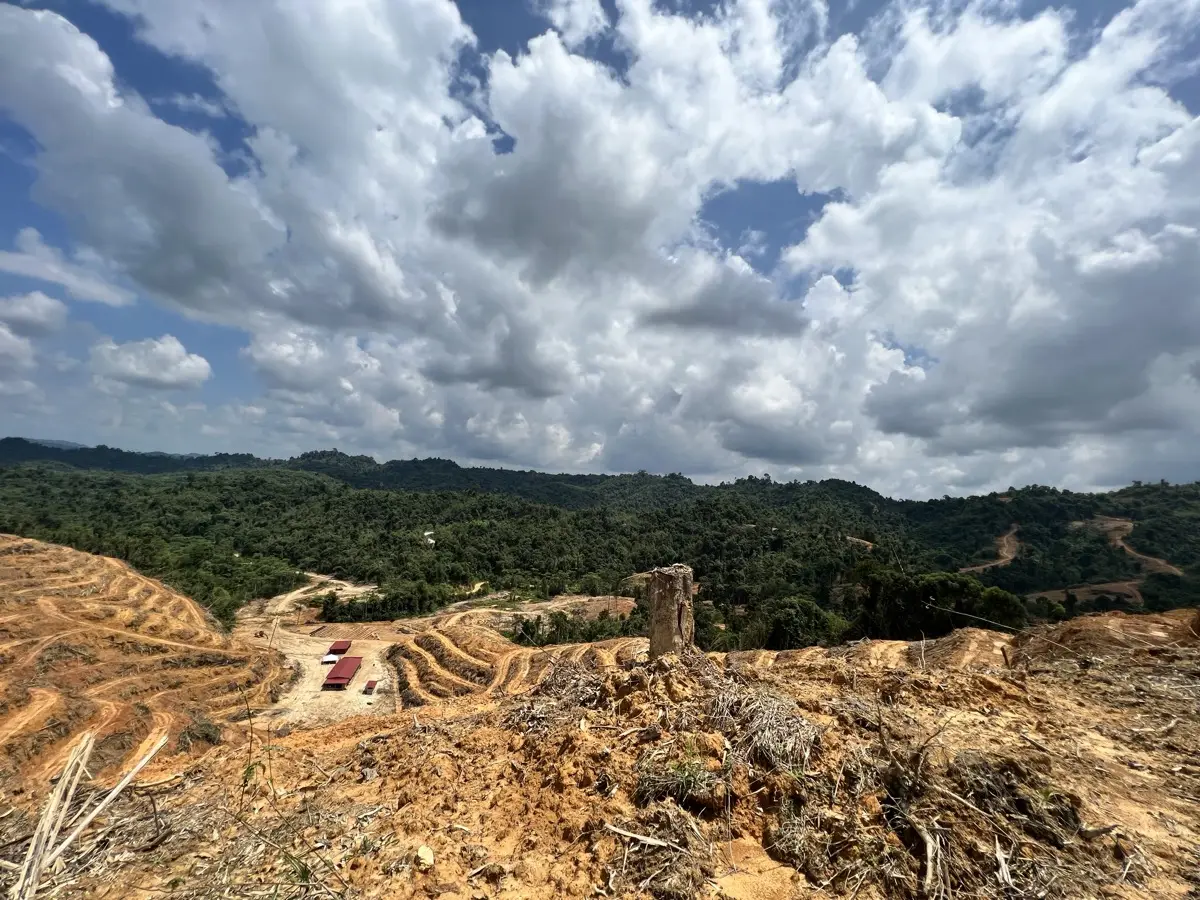
Clearing in Progress

Plots are opened sequentially — never the whole concession at once — keeping the land manageable and ecologically sound.

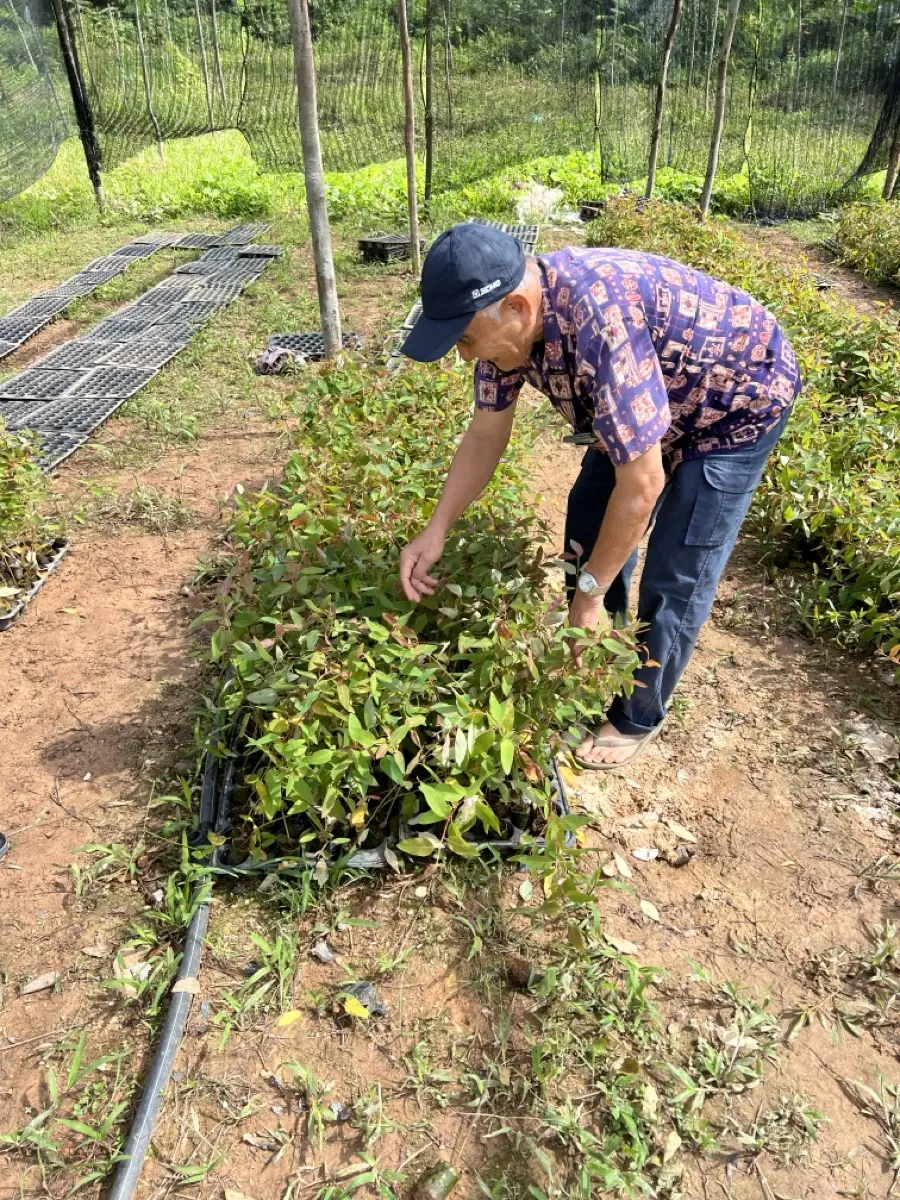
Jul 2023 — Tending young seedlings in the nursery
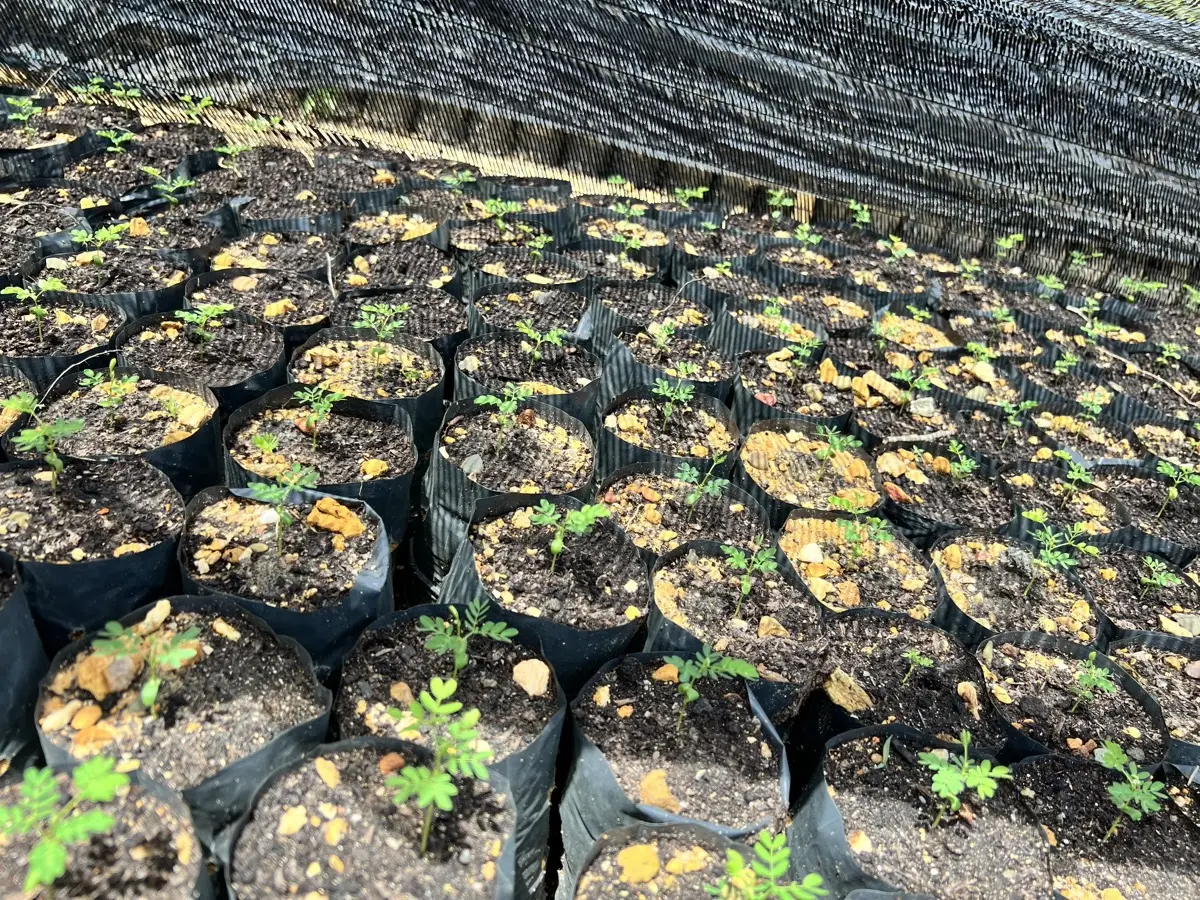
Apr 2022 — Seedlings in grow bags ready for planting
Apr 2022 · Initial Planting

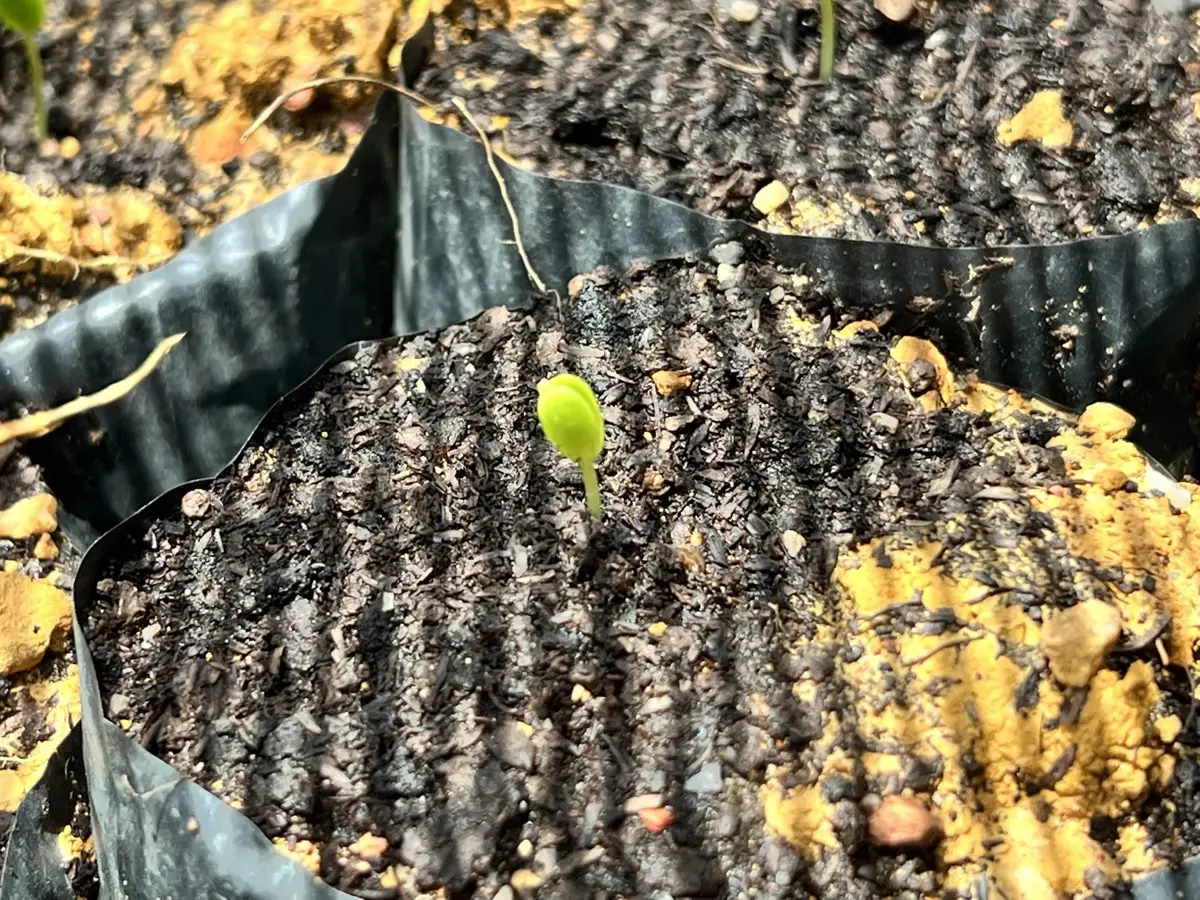
Seedlings Getting Ready

Albizia Batai Laut and Eucalyptus seedlings raised and hardened off in the nursery — the first of one million trees over 20 years.

Jun 2022 — Early seedlings from the air
Jun 2022 · Early Seedlings

Green Lines from the Air

Two months on, rows of young seedlings are visible from above — the forest's first structure emerging.

Aug 2022 — Seedlings taking hold
Aug 2022 · Early Seedlings

First Tree on the Ground

Seedlings establish root systems in the restored soil — Albizia's nitrogen-fixing already at work.

May 2023 — First-year growth accelerating
May 2023 · First-Year Growth

Growth Accelerating

One year in, fast-growing species hit their stride — Albizia can grow several metres in its first year.

Jul 2023 — One year of growth
Jul 2023 · First-Year Growth

One Year of Growth

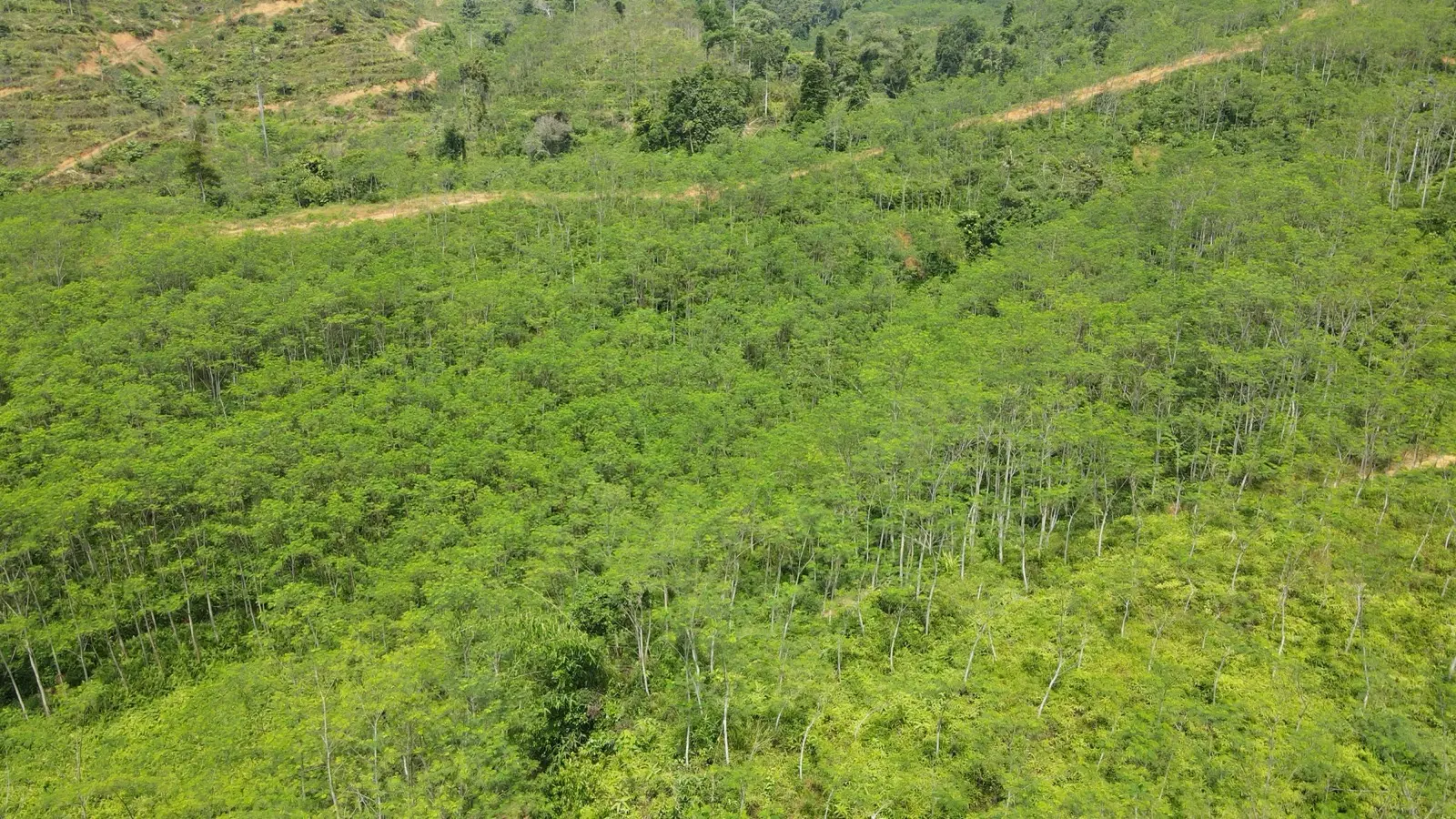
The plantation at twelve months — dense, healthy stands where bare ground stood a year before.

Feb 2024 — Second-year canopy from the air
Feb 2024 · Second-Year Canopy

A Canopy Forms

From the air, the second-year canopy closes over — the plot now reads as forest, not field.

Jun 2025 — Established forest floor
Jun 2025 · Established Forest

A Living Forest Floor

Three years on: shaded understory, leaf litter returning nutrients, and biodiversity moving back in.

Apr 2026 — Full canopy
Apr 2026 · Full Canopy

Full Canopy

The most recent photography — a closed canopy over what was degraded land just four years ago.

Albizia Batai Laut — the primary species
The Species · Albizia Batai Laut

The Engine of Restoration

Paraserianthes falcataria — our primary species. Fast-growing, nitrogen-fixing, and the backbone of the perpetual harvest-and-replant cycle.

Every Real Journey
Has Its Hiccups

We don't just manage trees — we manage everything the jungle and the climate throw at us. Two chapters we'd never hide from a partner.

Sep 2022 — Something We Didn't Expect

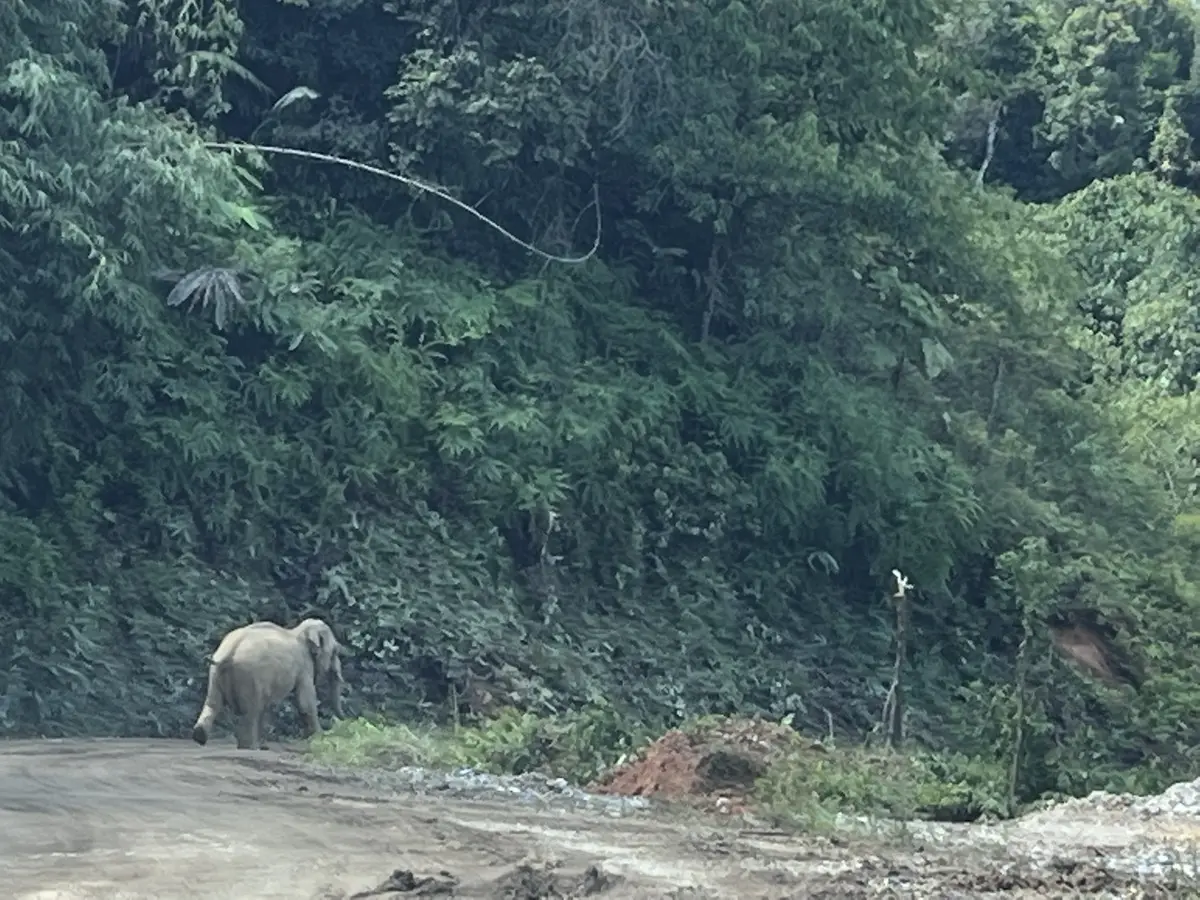
The Elephants Came

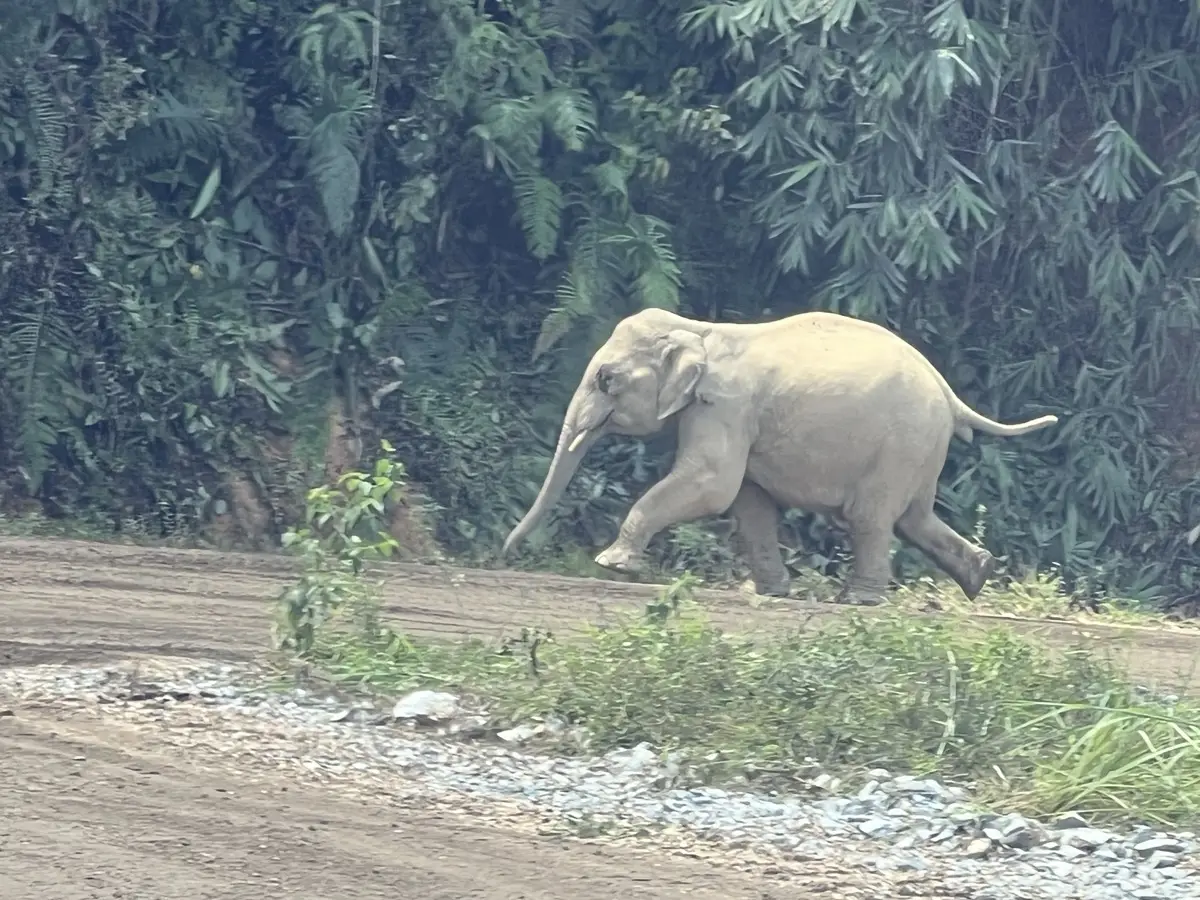
As our young forest grew tall enough to attract wildlife from the surrounding jungle, wild elephants crossed our border and damaged crops across multiple plots. It was not in any plan. We had to adapt — fast.

We developed an elephant detection and early-warning system, combining camera traps with perimeter monitoring. Today it's one of the most honest things we can show a prospective partner.

Wild elephants at the plantation border
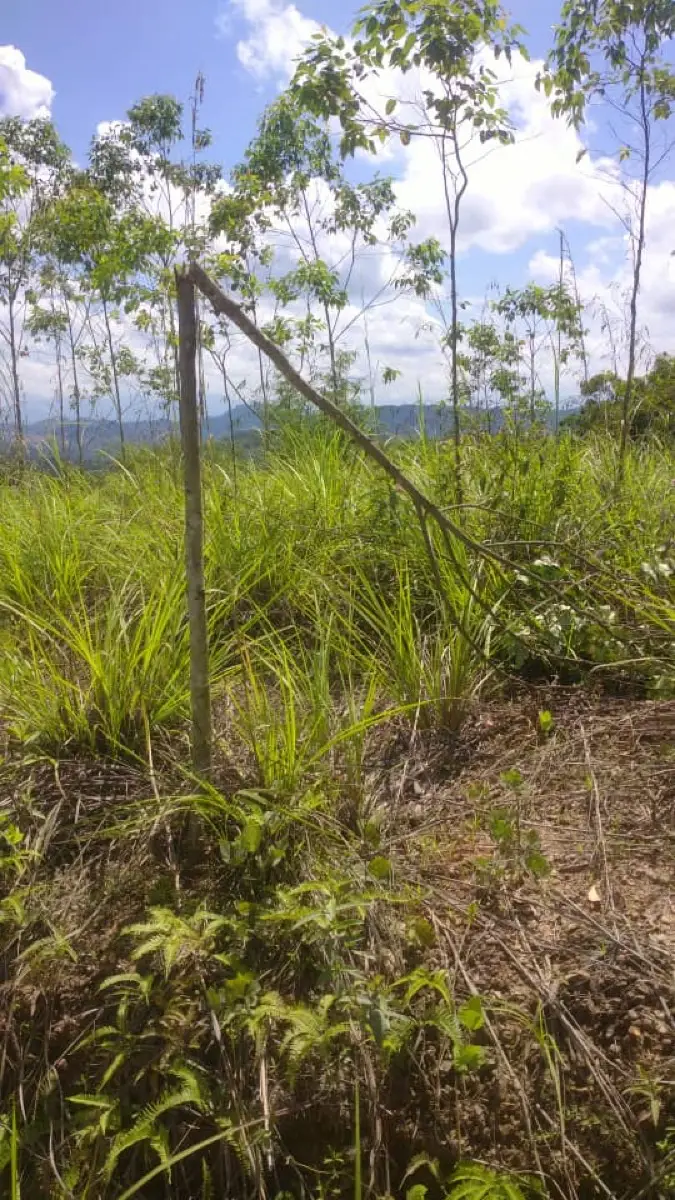
Elephant tracks inside the plantation
Crop damage left behind
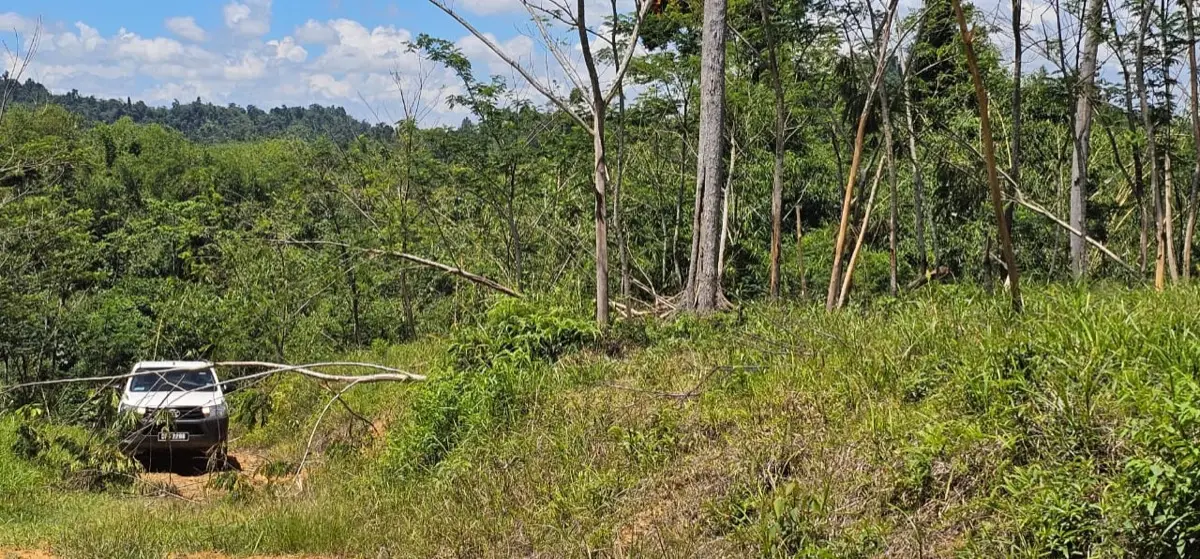
Fallen trees blocking the plantation access road
Damage along the access road
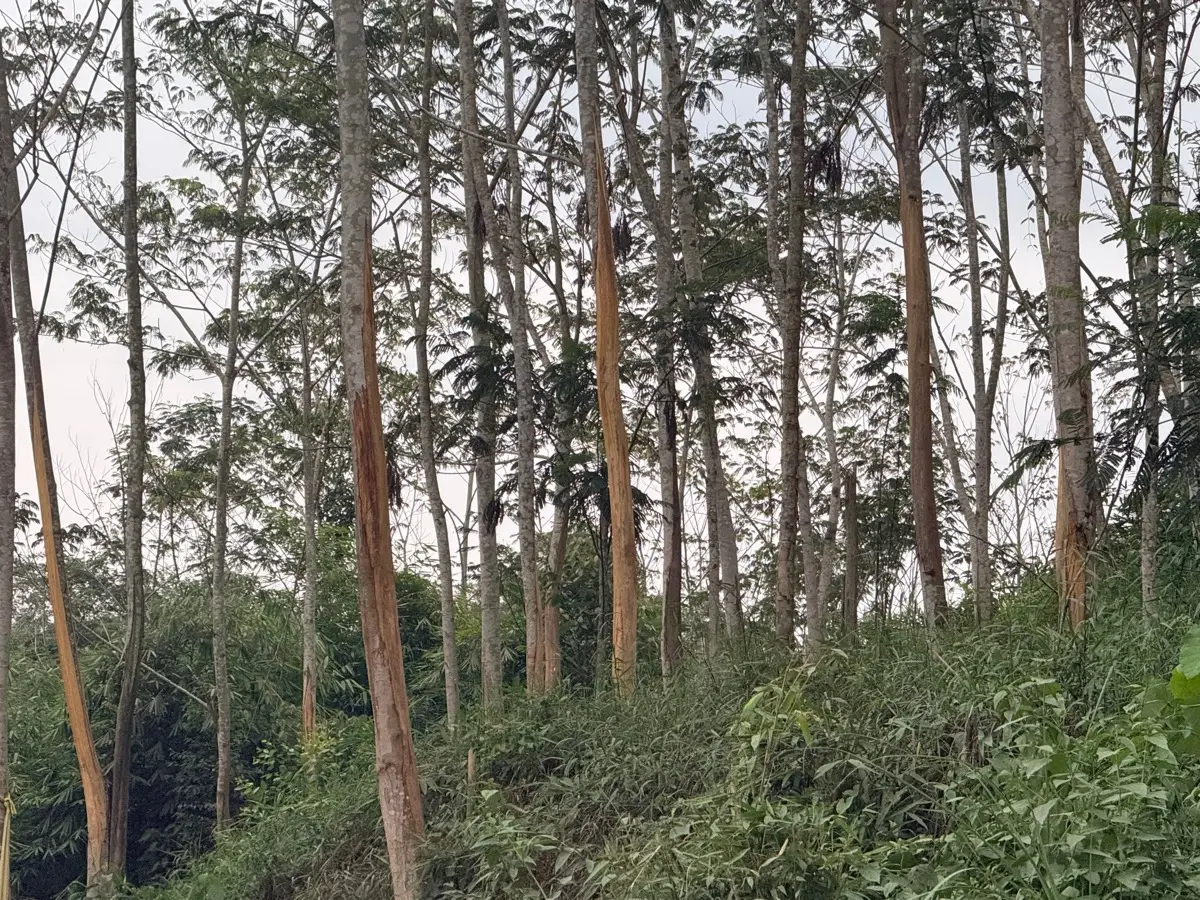
Bark stripped from tree trunks by elephants
Bark stripped from the trunks
Herd crossing the concession
Camera-trap detection footage
Live encounter — plantation footage
Night sighting — July 2026
The Response — Learning from Indonesia

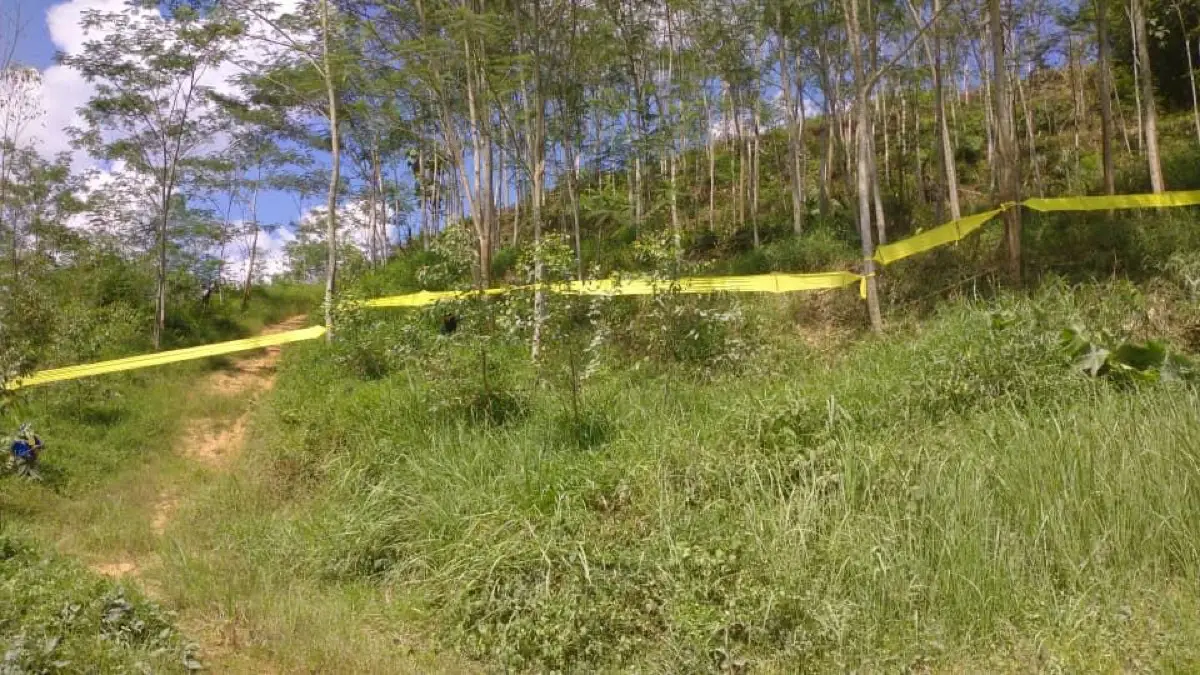
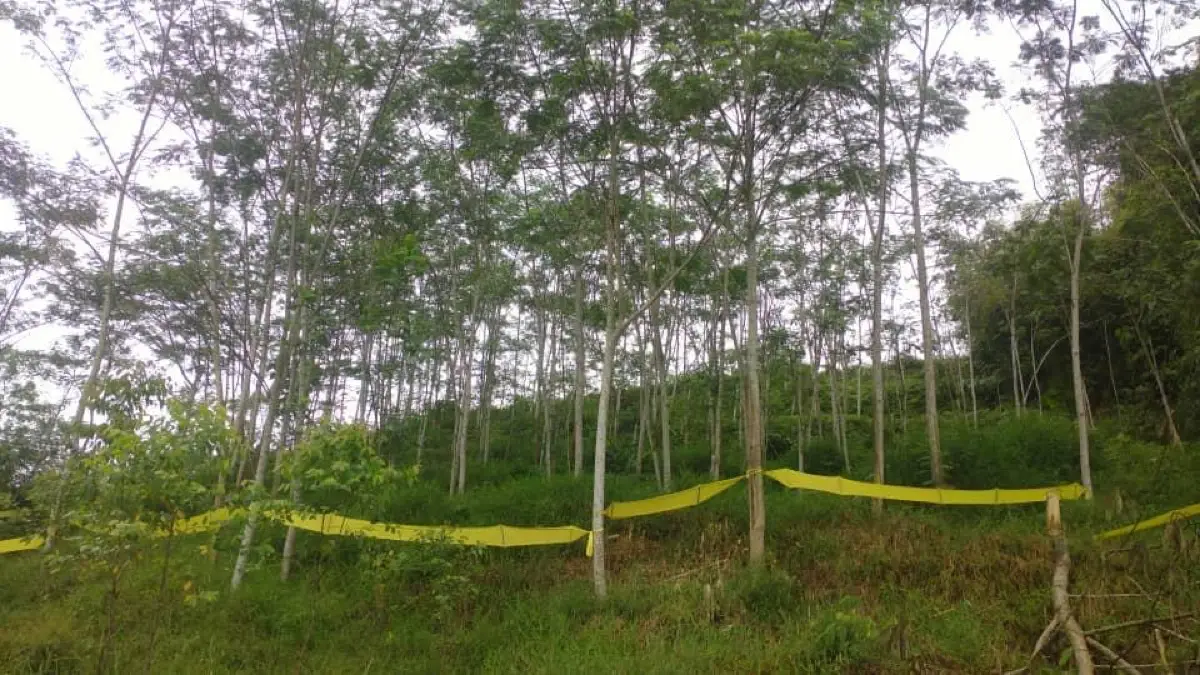
The Yellow Cloth Line

Rather than fences or force, we borrowed a technique from Indonesian plantations: a bright yellow cloth line strung along the forest boundary. Elephants learn to respect the marked edge — a low-cost, low-impact deterrent that keeps both the herd and the plantation safe.

It's an experiment in coexistence: protect the trees, don't harm the wildlife that was here first.

Yellow cloth boundary line strung along the plantation edge
Yellow cloth line along the boundary
Marked boundary between plantation and wild forest
The marked edge between plantation and jungle
Jul 2025 — The Weather Turned

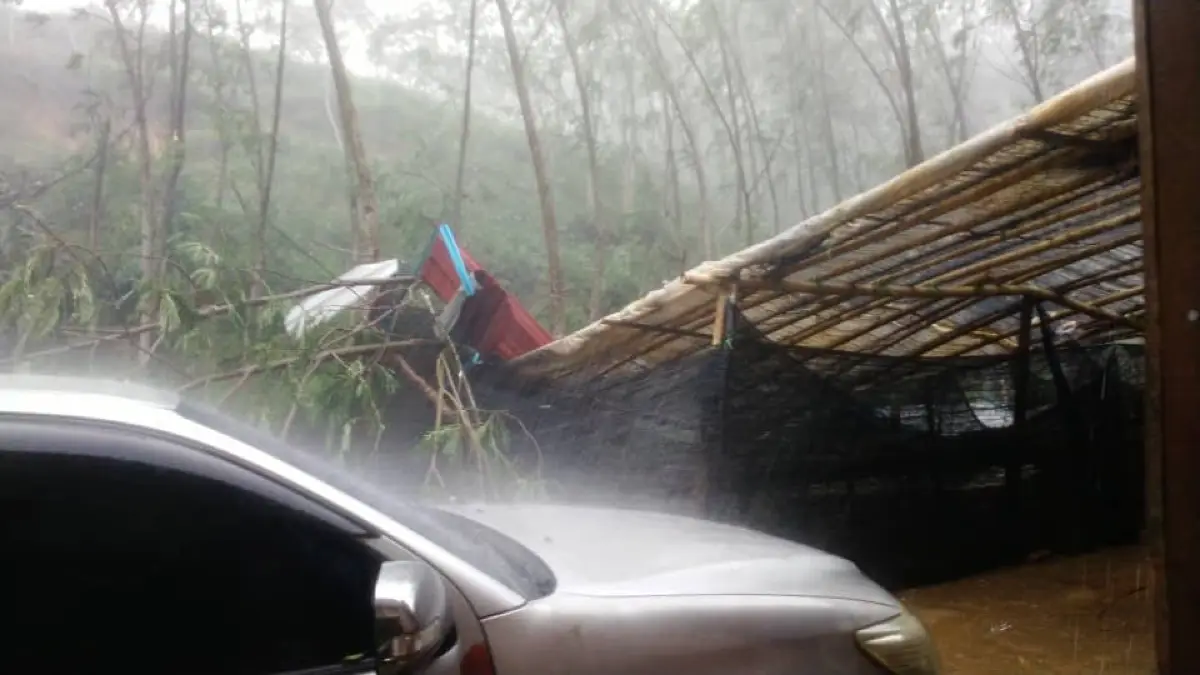
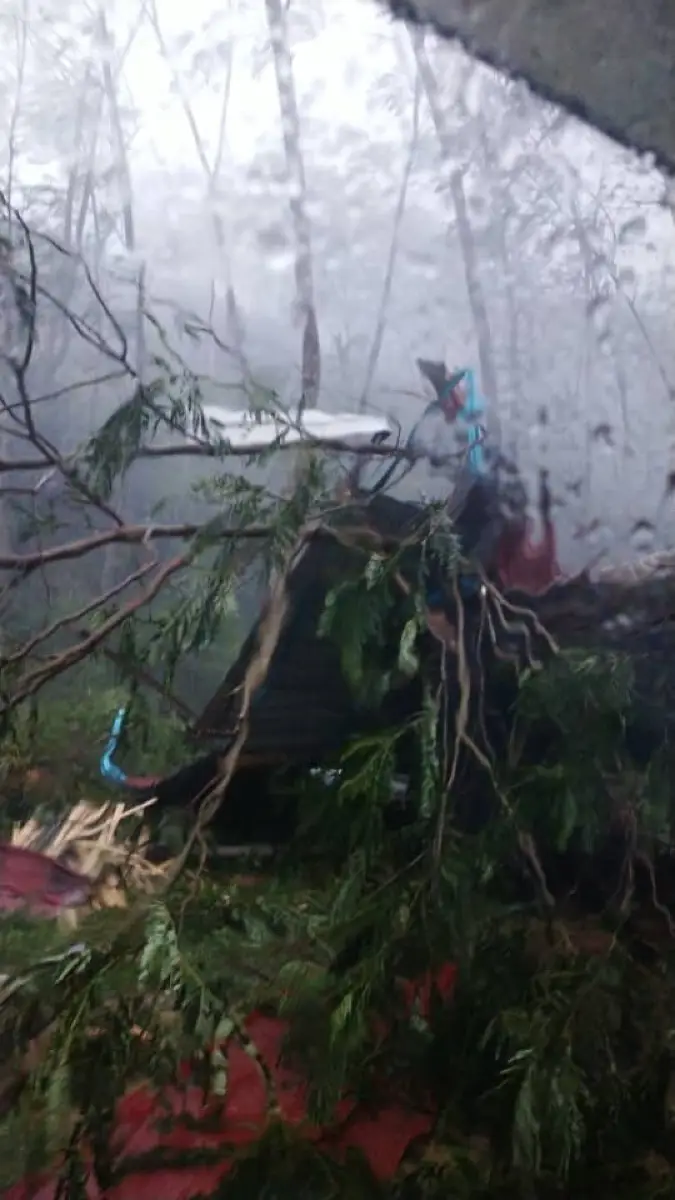
The Freak Storm

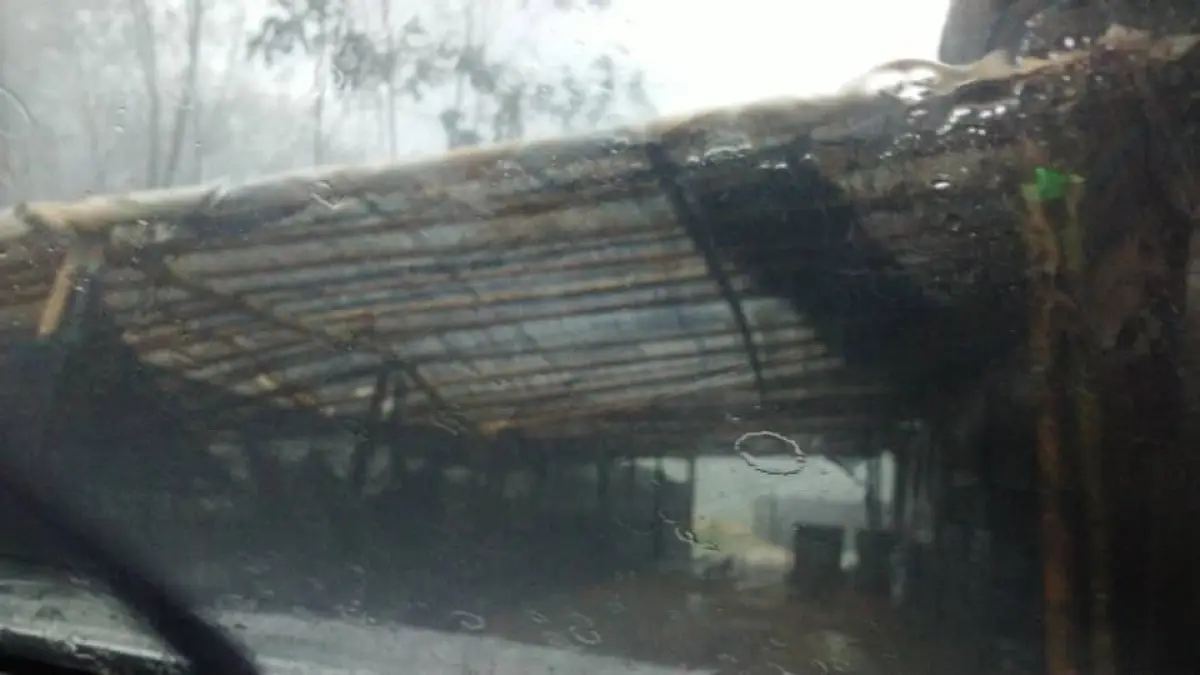
An extreme weather event hit the concession — flooding, fallen trees, and real losses across affected plots. Climate volatility is exactly why we plant fast-growing, resilient species on sequential plots.

The perpetual harvest-and-replant model is built for this: damage to one plot never stops the cycle. Affected areas were cleared, replanted, and are growing again today.

Storm damage at the concession — Jul 2025
Storm damage — Jul 2025
Damaged trees after the storm
Fallen trees from extreme weather
The storm as it hit — field footage
Crop damage from strong wind

Articles from
The Forest

Browse All Articles →

Invest in a Forest
That Lasts Generations

Whether you're an investor seeking sustainable timber assets, a corporate partner pursuing ESG goals, or a buyer of renewable hardwood — we offer a proven, transparent, long-term opportunity.

Let's Start
a Conversation

We're always open to new partnerships, funding conversations, community inquiries, and press requests. Reach out and we'll respond within 48 hours.

Email
gembanghijau@gmail.com
Location
Tanah Merah, Kelantan, Malaysia